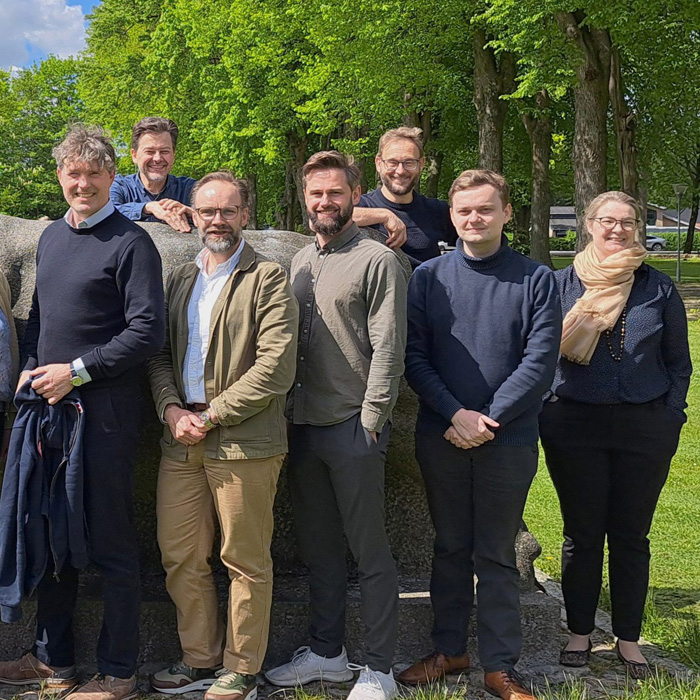
“The most important outcome is that the growing interest means more research-based pre-startups begin the co-founder process earlier. This gives them a better opportunity to build the competencies, relationships and networks needed to turn research into companies. The number of matches matters, but the long-term goal is to mature more startups”, says Nynne Christiansen, Development and Operations Manager at Open Entrepreneurship.
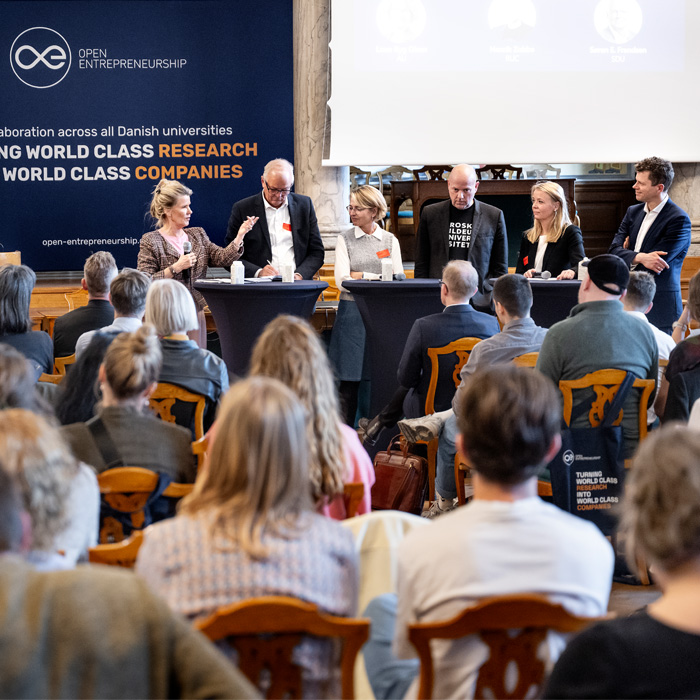
Ahead of this year’s campaign, Co-Founder Night was introduced for the first time at both Aarhus University and DTU. The event gave the participating pre-startups the opportunity to test and refine their pitches and presentation material before the Co-Founder Run officially launched.
When application-date closed in early June 2026, 57 prospective co-founders had submitted a total of 78 applications across the 21 participating pre-startups.
Early relationships strengthen pre-startups
For research-based pre-startups, the right co-founder can be crucial in turning research and technology into a viable business. That is why Co-Founder Run is designed to bring researchers and potential co-founders together early in the startup journey.
Many participating pre-startups are still at a stage where the venture exists only as a technology or a research project. At this point, it can be difficult to define the role a future co-founder is expected to fill. Yet this is also where commercial expertise and strategic sparring can make the greatest difference.
Although Co-Founder Run is designed for research-based pre-startups, more mature startups are also welcome to participate if they are connected to a Danish university and looking for a co-founder. The objective remains the same: to accelerate the commercial maturation of research and technology by building strong founding teams.
Experience and networks matter too
Once the campaign ends, the most important part of the process begins. Founders and prospective co-founders meet for coffee chats, exploratory conversations and their first collaborations.
Already, four so-called trials have been initiated – structured collaboration periods, typically lasting around three months, during which both parties can explore whether they are the right match before committing to a long-term partnership.
Even if a match ultimately proves unsuccessful, the process is far from wasted. The pre-startup has gained valuable experience, expanded its network and built relationships that can support the search for the right co-founder in the future.
An investment in a shared venture
Becoming a co-founder is very different from accepting a traditional job or consultancy assignment. A co-founder invests time, expertise and experience in a venture that is still taking shape. It requires patience and a shared understanding that meaningful results often lie several years ahead—but the potential can be significant.
That is why the first meetings are about much more than evaluating the technology or the business idea. They are equally about aligning expectations, ambitions and ways of working together.